
A central or split AC unit can seem perfectly fine one week, then struggle to cool the next. In Kuwait’s long, demanding hot season, is AC maintenance necessary? For most homes, apartments, offices, and shops, the practical answer is yes. Regular maintenance is not an extra task for a system that is already failing. It is the work that helps prevent a small cooling issue from becoming an uncomfortable breakdown when you need AC most.
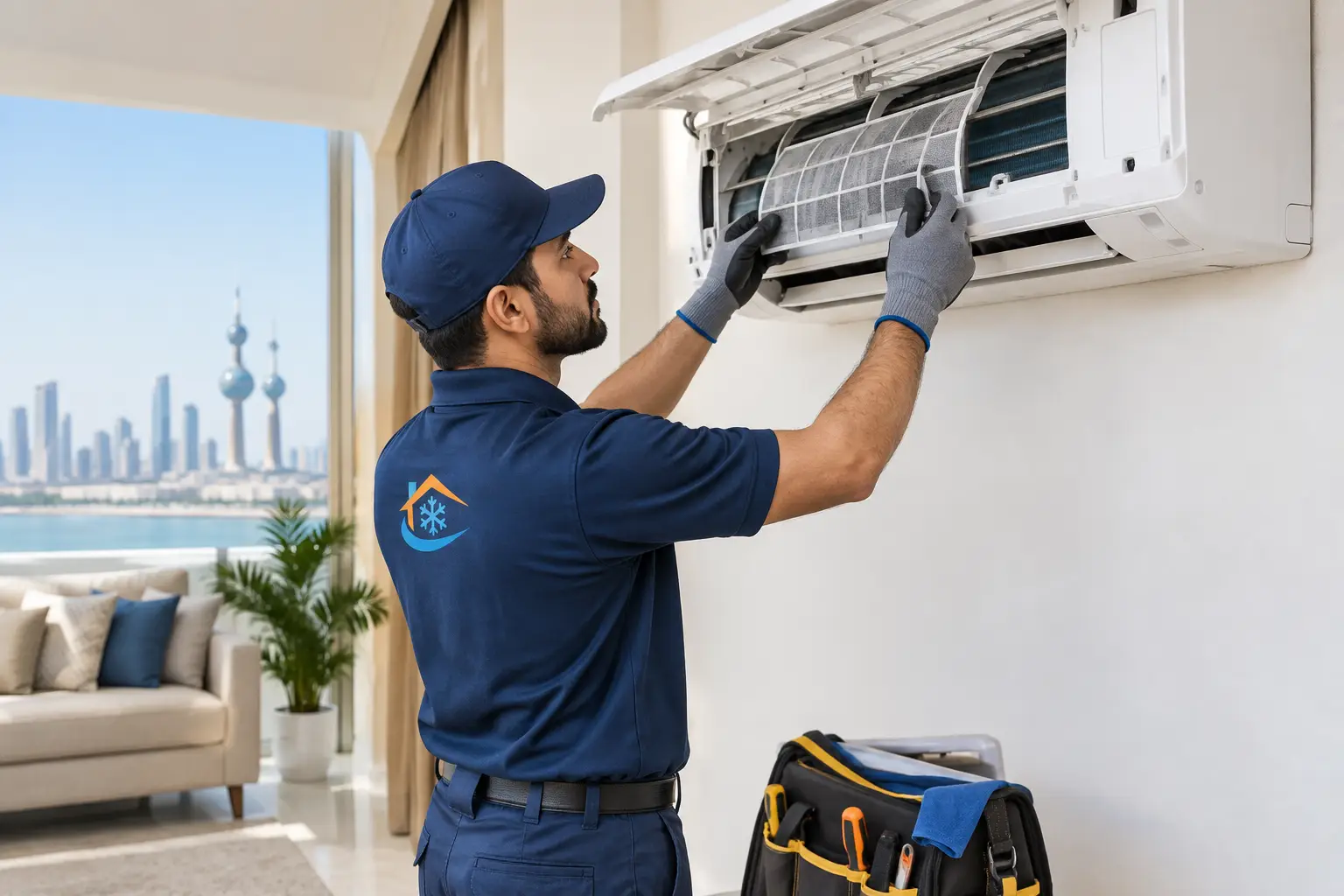
Air conditioners work hard in high temperatures, often for many hours each day. Dust, heat, heavy use, and blocked airflow gradually affect performance. A professional maintenance visit checks the parts that homeowners and property managers cannot easily inspect, helping the unit cool reliably and operate more efficiently.
Why AC Maintenance Is Necessary for Reliable Cooling
An AC system does more than blow cold air. It moves air through filters and coils, removes heat from indoors, drains moisture, and relies on electrical components to start and run safely. When one part becomes dirty, loose, clogged, or worn, the rest of the system must work harder.
For example, a dirty filter reduces airflow. The room may still cool, but it can take longer, feel uneven, and put extra strain on the blower and cooling system. Dust on indoor or outdoor coils makes heat transfer less effective. A blocked drain line can lead to water leakage, odors, or damage around the indoor unit. These problems often begin quietly before they turn into a complete loss of cooling.
Maintenance gives a technician the chance to identify these warning signs early. Instead of waiting for the AC to stop during a hot afternoon, you can address the issue while the repair is usually more straightforward.
What Professional AC Maintenance Usually Checks
A proper service visit is more than quickly cleaning the front cover. The exact work depends on whether you have a split unit, central AC system, or another setup, as well as the condition of the equipment. Still, a skilled technician will commonly inspect airflow, cooling performance, electrical connections, drainage, and key mechanical parts.
Filters, Coils, and Airflow
Filters collect dust before it moves deeper into the system. When they are neglected, airflow drops and dust can build up on internal components. Cleaning or replacing filters at the right time helps air circulate properly and supports better indoor comfort.
The indoor evaporator coil and outdoor condenser coil also need attention. Dirty coils make it harder for the system to absorb and release heat. The unit may run for longer periods without delivering the cooling you expect. Professional coil cleaning is particularly valuable in dusty conditions, where buildup can occur faster than many property owners realize.
Drainage and Water Leaks
Water dripping from an indoor AC unit is a common reason people request urgent service. In many cases, the cause is a blocked or poorly draining condensate line. During maintenance, the drainage route can be checked and cleared before water begins leaking onto walls, ceilings, flooring, furniture, or electrical areas.
A technician can also look for signs of condensation problems, damaged insulation, or an incorrectly positioned drain line. These details matter because a unit may still cool while causing hidden moisture damage nearby.
Electrical Components and Safe Operation
AC units rely on capacitors, contactors, wiring, circuit connections, motors, and controls. Heat and frequent use can expose weak electrical parts over time. A system that starts slowly, trips a breaker, makes unusual clicking sounds, or shuts off unexpectedly should be inspected promptly.
Maintenance allows technicians to check for loose connections and early component wear. This supports safer operation and reduces the chance that a minor electrical problem will leave your home or business without cooling.
Refrigerant and Cooling Performance
Low refrigerant is not a normal seasonal issue. If a system is low, there may be a leak or another problem that needs proper diagnosis. Simply adding gas without finding the reason for the loss may provide short-term improvement but does not solve the underlying fault.
During a maintenance or diagnostic visit, a technician can assess cooling performance, inspect for possible leaks, and determine whether AC gas filling is actually needed. This is one reason professional service is more dependable than guessing based on weak cooling alone.
The Cost of Skipping AC Service
Some property owners wait until the AC fails because the system appears to be working. That choice can be understandable when schedules are busy and there are no obvious symptoms. The trade-off is that AC faults rarely improve on their own.
A unit with restricted airflow may consume more electricity while cooling less effectively. A small drain blockage can become a water leak. A weak capacitor may eventually prevent the compressor or fan from starting. If the compressor is forced to run under poor conditions for too long, the repair can become much more serious.
For businesses, the impact can go beyond discomfort. A warm office affects staff concentration, while insufficient cooling in a retail space can make customers leave sooner. Landlords also face avoidable tenant complaints when AC service is delayed until the system stops completely.
Regular maintenance cannot guarantee that an older unit will never break down. Parts can fail unexpectedly, especially in heavily used systems. However, it improves the chances of catching problems early and helps the equipment operate under better conditions.
How Often Should an AC Be Maintained?
For many Kuwait properties, an annual professional AC maintenance visit is a sensible minimum. Systems that run heavily, serve larger spaces, or operate almost continuously may benefit from inspections before and during the peak cooling season.
The right timing also depends on the unit’s age, condition, and environment. A newer split AC in a lightly used room may need less attention than a central system cooling a busy office. Units in dusty locations, homes with pets, or properties with frequent occupancy changes may require filter care and checks more often.
Do not wait for the calendar if you notice a change in performance. Weak airflow, warm air, bad odors, rattling noises, repeated cycling, water leaks, or a sudden increase in electricity use are all reasons to arrange an inspection. Fast attention can protect comfort and prevent a small issue from spreading through the system.
What You Can Do Between Service Visits
There are a few simple steps property owners can take without opening electrical panels or attempting technical repairs. Keep furniture, curtains, and storage away from indoor vents so air can move freely. Clean or replace accessible filters according to the unit instructions and how quickly they collect dust. Keep the outdoor unit area clear of boxes, leaves, and debris that may restrict airflow.
It also helps to pay attention to changes. If one room is much warmer than the others, the unit is taking longer to cool, or water appears beneath the indoor unit, do not ignore it. Turning the system off when there is active leaking or an electrical smell is safer than continuing to run it until help arrives.
Avoid using repeated thermostat adjustments as a solution to poor cooling. Setting an AC far below the normal comfortable temperature does not make it cool a room faster. It can simply make the unit run longer while the real issue remains unresolved.
When Maintenance Becomes a Repair Call
Maintenance is preventive, but sometimes an inspection finds a repair need. This may include a failing capacitor, damaged fan motor, drainage blockage, refrigerant leak, compressor issue, thermostat fault, or electrical connection problem. Clear communication matters at this stage. You should know what the technician found, why it affects cooling, and what work is needed before the system is returned to service.
For homes and businesses in Salmiya and nearby areas, Najam Failka Co. provides professional support for split and central AC maintenance, diagnostics, repairs, compressor service, and cooling issues. The goal is not only to get the unit running, but to confirm that it is cooling properly before the technician leaves.
A well-maintained AC is easier to rely on when the temperature outside is at its highest. Schedule attention before discomfort becomes urgent, and treat unusual AC behavior as an early warning rather than something to put off until tomorrow.

Leave a Reply